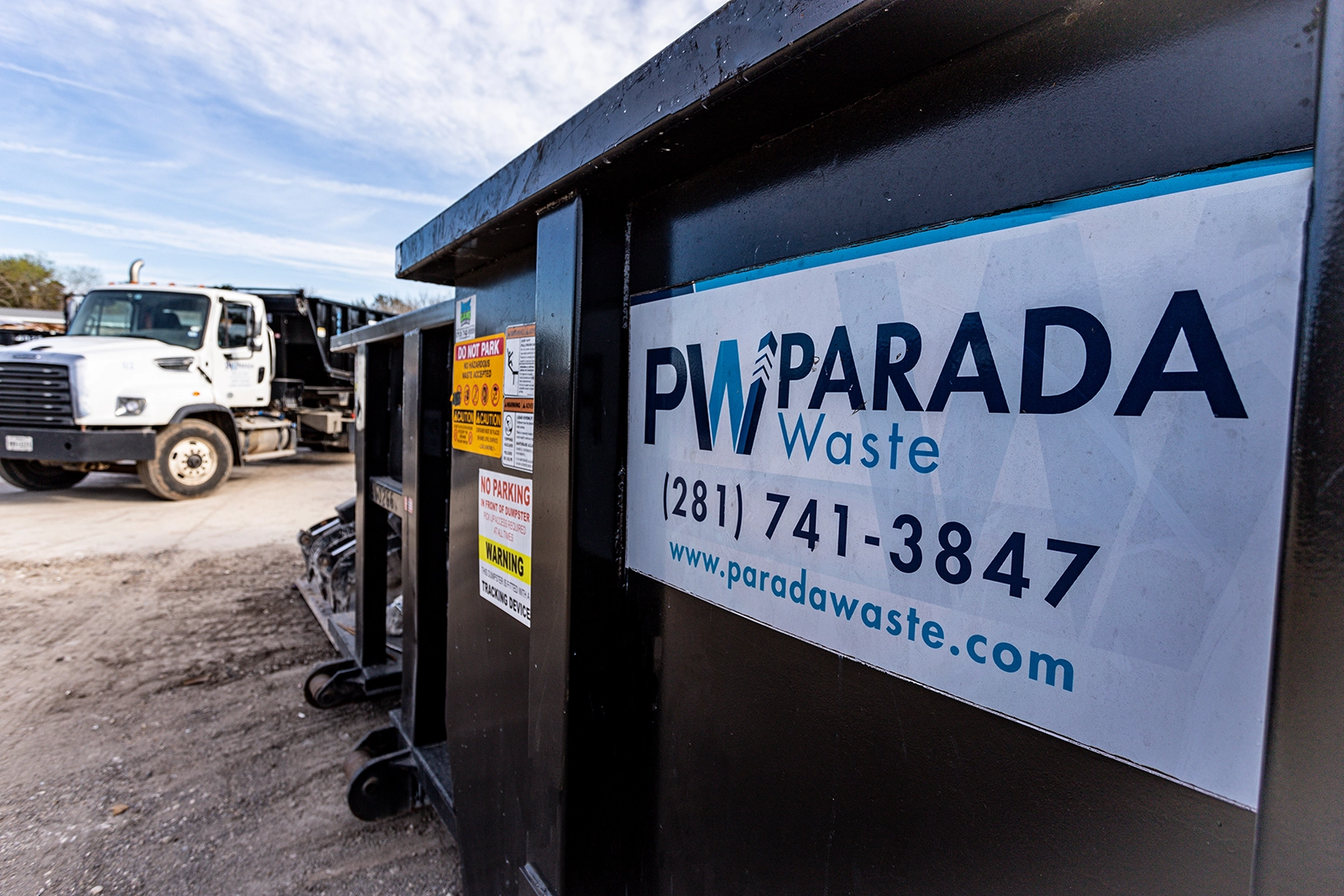
The Challenge of Roofing Waste
Roofing projects generate substantial amounts of waste. A typical residential roof replacement can produce 3 to 5 tons of debris, including old shingles, underlayment, nails, and flashing. Efficient waste management is essential for maintaining productivity and profitability.
Types of Roofing Waste
Best Practices for Roofing Contractors
1. Position Your Dumpster Strategically
Place the dumpster as close to the work area as possible. Many contractors position it directly below the work zone to catch debris as it slides down tarps or chutes.
2. Use the Right Size Container
For most residential roofing jobs, a 20-yard dumpster is ideal. For larger or multi-layer tear-offs, consider a 30-yard container. Remember that roofing materials are heavy—weight limits may apply.
3. Separate Recyclable Materials
Many areas have shingle recycling programs. Keeping recyclable materials separate can reduce disposal costs and environmental impact.
4. Schedule Pickup Efficiently
Coordinate dumpster delivery with your project timeline. Request your dumpster early; same-day delivery may be available depending on scheduling and availability.
5. Keep the Work Area Clean
Empty debris regularly throughout the day. A clean work area is safer and more efficient.
Weight Considerations
Roofing materials are among the heaviest types of debris. One layer of asphalt shingles from a 2,000 square foot roof can weigh approximately 4,000 to 5,000 pounds. Always discuss weight limits with your dumpster provider.
Environmental Responsibility
Asphalt shingles can be recycled into road paving material. By choosing a waste management partner that offers recycling, you contribute to sustainability while potentially reducing costs.
Partner with Parada Waste
We understand the unique needs of roofing contractors. We help you choose the right container and confirm pricing and delivery availability during the quote. Call 281-741-3847 today.